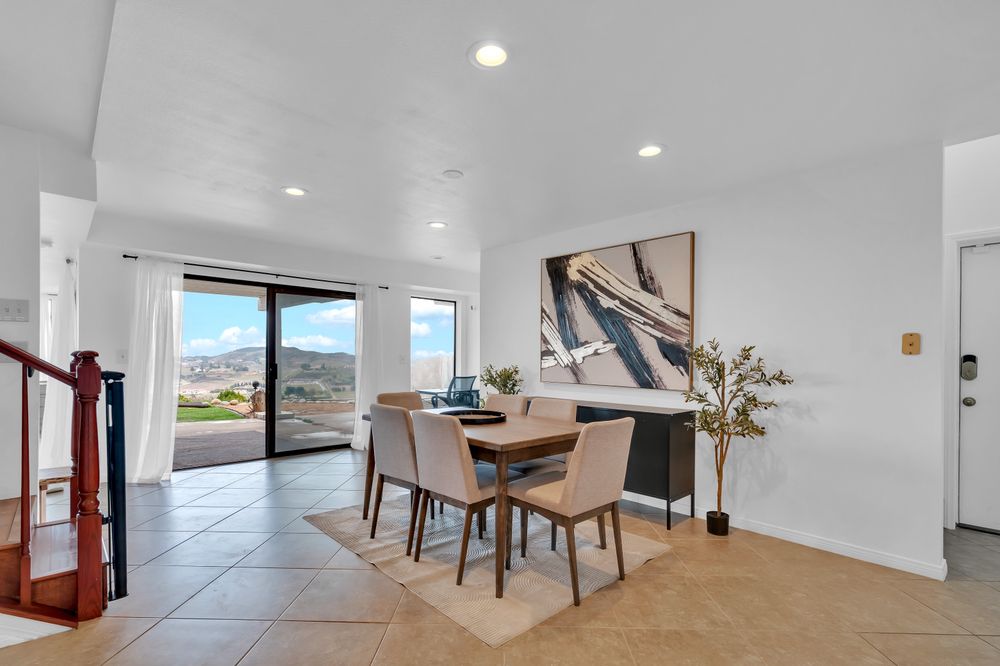
Facility photo from REAmplified Care’s public Yelp gallery (Murrieta listing).
Case study · California RTC & private-pay build

REAmplified Care RTC
California RTC · DHCS-licensed · Private-pay census
6-bed luxury residential treatment & detox · Murrieta, California
Project snapshot
- Jurisdiction
- California · DHCS-licensed RTC & detox
- Level of care
- Residential (RTC) & monitored detox / stabilization
- Regulatory spine
- DHCS + Joint Commission readiness
- Archetype
- Real estate asset → regulated operator
- Engagement
- End-to-end build · licensing through vendor coordination & referrals
Up to $60k
Per patient / month revenue potential modeled into the program
Eleven acres in Murrieta moved from a land holding to a DHCS-licensed residential treatment and detox program. It is private-pay, with Joint Commission preparation and revenue operations modeled up to about $60,000 per patient per month.
What the program holds open on the ground
Public-facing signals for this engagement are intentionally operator-led. Yelp covers reviews and hours; Instagram covers on-site cadence; phone covers intake. The list below is the service shape XQM aligned to licensing, accreditation prep, and revenue infrastructure (not a live clinical roster).
- Residential ASAM 3.5
- Monitored detox & stabilization
- Individual & group therapy
- Family education & involvement
- Psychiatric & medication support
- 24/7 clinical & peer coverage
- Private-pay census & admissions posture
- EHR, billing & HR back-office
Engagement frame
Context
The thesis was not “open a house.” The goal was to convert a Murrieta asset into a defensible healthcare operation: small census, high clinical depth, and back-office rigor that could survive real survey and payer scrutiny without improvising after opening.
XQM’s lane
We owned the regulated arc end-to-end: DHCS licensing and level-of-care designation, policy architecture, Joint Commission preparation, staffing across leadership and line roles, and vendor coordination across the operating stack (EHR, billing, payer enrollment, referral posture) so census and cash flow could be designed instead of hoped for. The operator runs those systems after handoff; XQM does not run billing, EHR, or marketing for clients.
Field fit
Clinical program design and documentation were checked against how a small census RTC actually runs: staffing ratios, detox handoffs, and what surveyors can verify on the floor. That is how the private-pay model held up under scrutiny.
01
From land to licensed care
The investor goal was licensed healthcare use: a small residential census with clinical depth and back-office rigor that could clear DHCS and payer rules, not a concept deck.
Moving from asset to operator is where many projects stall. XQM carried licensing, accreditation preparation, and day-one readiness for billing, staffing, and census together — including the operating-stack vendor selection the operator would run after handoff.
02
What XQM built
XQM converted the property into a healthcare operation from the ground up. That included DHCS licensing and level-of-care designation, clinical and administrative policy, Joint Commission accreditation preparation, and recruitment across leadership and line roles (Clinical Director, Psychiatric NP, counselors, and BHTs).
We coordinated vendor selection and integration for the operating stack — EHR, billing, HR and payroll, payer enrollment, and referral strategy — so the program could bill and admit on realistic timelines. The operator runs those systems day-to-day; XQM does not. The outcome is a compliant private-pay RTC: property to revenue-ready facility in one engagement.
03
Why this case matters
Licensing, clinical design, and revenue operations are intertwined; separating them late is expensive. This engagement is one team taking the site from asset to operator that can admit, bill, and respond to survey under real regulatory scrutiny.
Wide treatment-environment frame from the same public Yelp gallery as the hero, with a consistent look across scroll. Operator Instagram is linked in-rail and below.
@reamplifiedcarertcdetoxVerify the footprint
Case studies are narrative summaries. For hours, intake, and what is running today, use the program’s own listings and site. They are linked here so nothing is second-hand.
Live from the program
Photos and reels from the Murrieta RTC & detox. This is the operator’s own channel, independent of this XQM write-up.
To load the Instagram embeds here, enable Marketing & embeds in cookie preferences (third-party cookies may apply).
Open Instagram insteadOpen Instagram (@reamplifiedcarertcdetox)Instagram feed widget hosted by Elfsight.
What XQM carried
Scope tags stay terse on purpose. Each one was weeks of drafting, review cycles, and regulator-facing evidence.
- 01 DHCS licensing & level of care designation
- 02 Policy & procedure development (clinical, administrative, safety)
- 03 Joint Commission accreditation preparation
- 04 Staffing & recruitment (Clinical Director, Psychiatric NP, Counselors, BHTs)
- 05 Vendor selection & integration: EHR, billing, HR/payroll back-office
- 06 Payer enrollment & referral strategy
More work
- Keeping Hopes Alive
Outpatient mental health (OMHC) · 1 N. Charles St., Baltimore, Maryland
Next step
If you are converting property into licensed residential or detox capacity, expect licensing, clinical design, accreditation, staffing, and revenue operations to move as one system. They should not drift into separate vendor tracks.
Work with usWork with XQM
Engagement scope and commercial terms depend on fit. Use the work-with-us hub to choose a lane and start the intake.
Work with us